History

Once, the Kameoka basin was a vast lake.
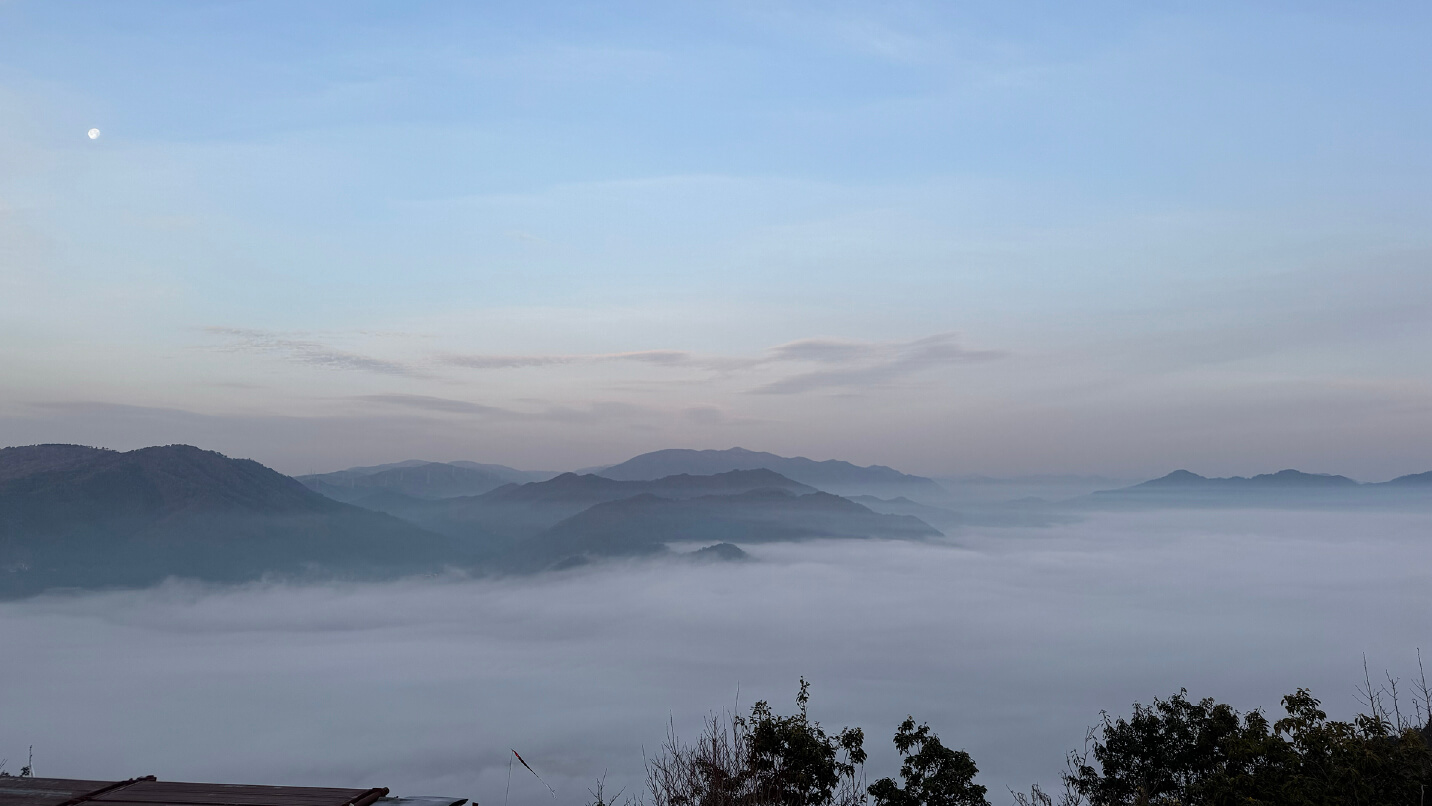
Its contours give rise to a mystical sea of mist,
and its fertile soil still brings forth abundant harvests.
Its history runs deep―
from the traces of ancient kingdoms
to the foundations of medieval cities―
layer upon layer shaping this land.
Here, where makers continue to weave culture,
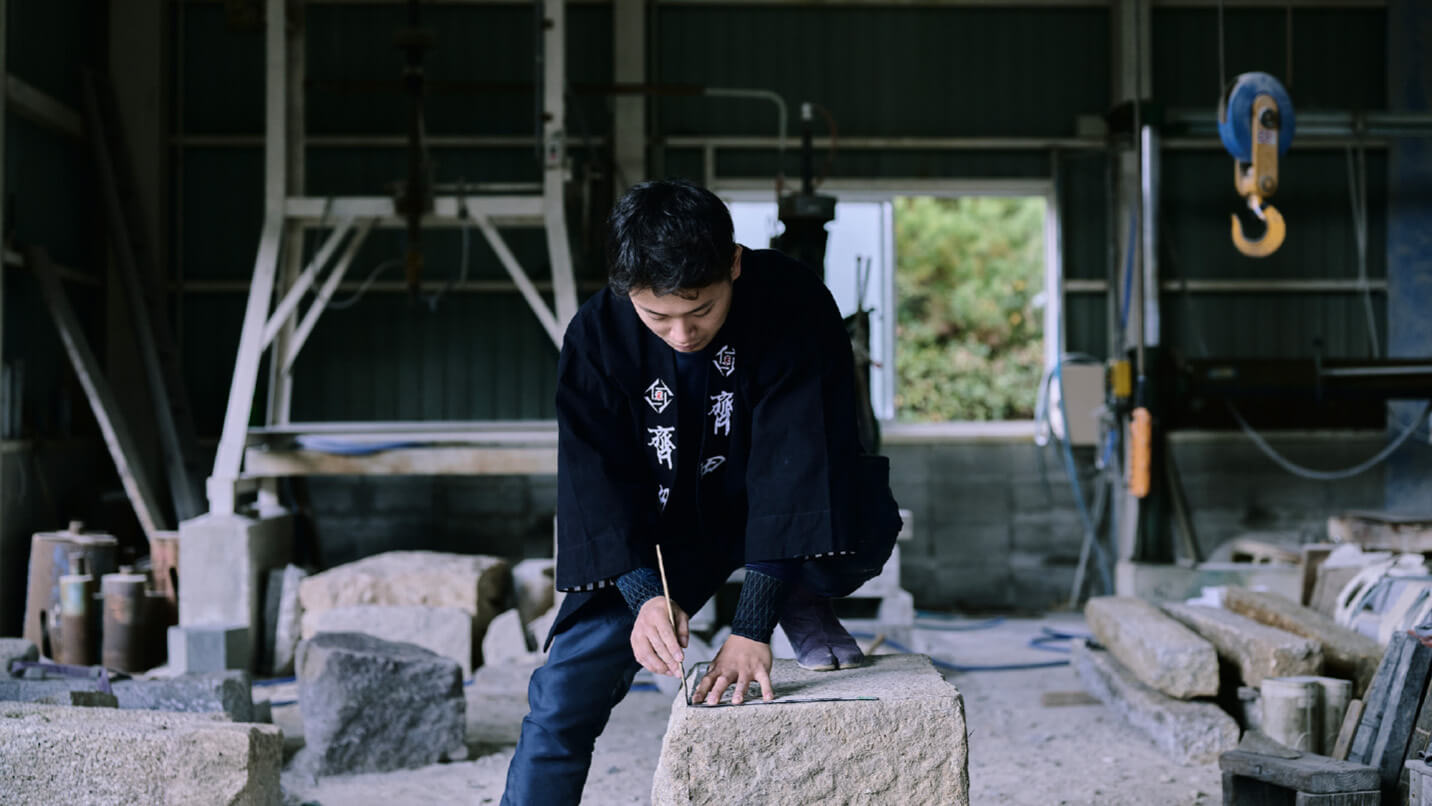
the stonemasons of Kameoka
find beauty in nature,
listen to the voice of stone,
and quietly keep striking―
becoming a source of creation,
a living vein of tradition.
That sound does not belong to the past.
It resonates here today,
shaping the foundations of the time to come.
かつて、広大な湖だった亀岡盆地。
その地形は幻想的な霧の海を生み、
肥沃な土壌は、今もなお
豊かな実りを育てている。
その歴史は長い。
古代の王国の跡となり、
中世の都市の礎となり、
幾層もの時を重ねながら、
この地をかたちづくってきた。
いまも多くの作り手が文化を紡ぐこの地で、
亀岡の石工たちは
自然の中に美を見出し、
石の声に耳を澄まし、
創造の源となり、
伝統の地脈となって、
ただ静かに、石を叩き続けてきた。
その音は、次の時代の礎をかたちづくるために、
今日もまた、ここで響く。
-
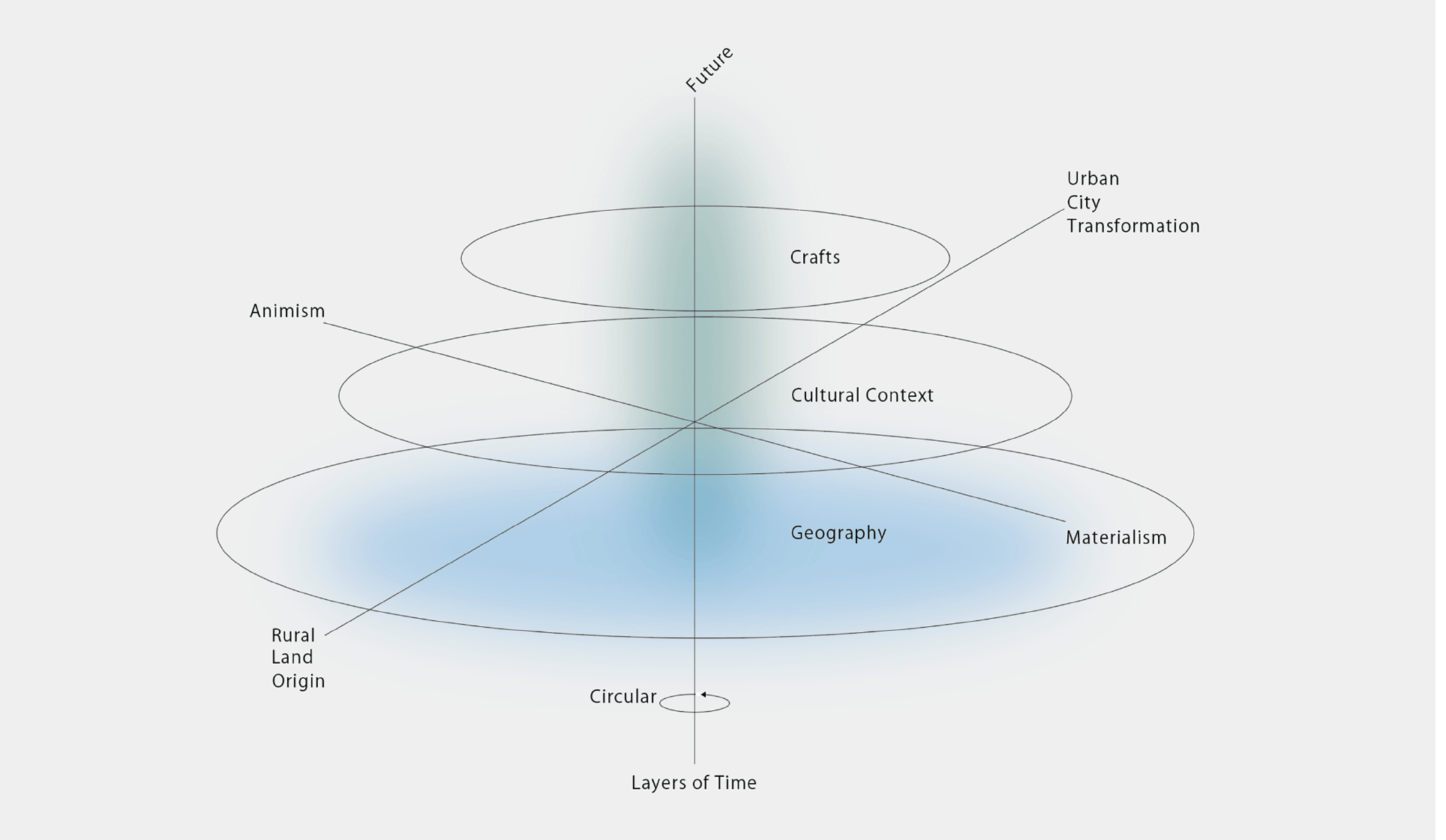
Geography 地形
Kameoka is a basin that was once a vast lake, gradually transformed into land through the erosion of the Hozu River and the accumulation of sediment. The very formation of this terrain is said to be linked to the origin of the name “Tanba,” and the memory of that ancient lake still lingers today in local legends and in the dramatic landscape of the Hozu Gorge.
The basin’s distinctive climate―marked by sharp seasonal temperature shifts―and its fertile soil have long yielded high-quality agricultural produce. The Hozu River (known downstream as the Katsura River), which runs through the basin, once functioned as a vital waterway, carrying timber and rice to Kyoto. From autumn to winter, a mystical blanket of fog settles over the land, evoking what has been poetically described since the Edo period as a “sea of mist,” an image that remains deeply etched in the cultural memory of Kameoka.
亀岡は、かつて広大な湖であった盆地が、保津川の浸食と土砂の堆積によって陸地化した土地です。その地形的成り立ちは「丹波」という地名の由来にも通じ、太古の湖の伝説や保津峡の景観として、いまもその記憶をとどめています。
盆地特有の寒暖差と肥沃な土壌は良質な農産物を育み、盆地を貫流する保津川(桂川)は水運として機能し、木材や米などを京都へと運ぶ重要な輸送路となりました。また、秋から冬にかけて立ち込める幻想的な霧は、江戸時代より「霧の海」として詠まれ、亀岡を象徴する風景として人々の心に刻まれてきました。
-
Cultural Context 文化的背景
This abundant natural environment also nurtured generations of stonemasons. Various types of Tanba stone were quarried here, and in the Hoki area―where SAIDA is based―granite was once extracted and shaped by many skilled hands. Stone was never merely a resource; it formed part of the very foundation supporting the region’s industry and culture.
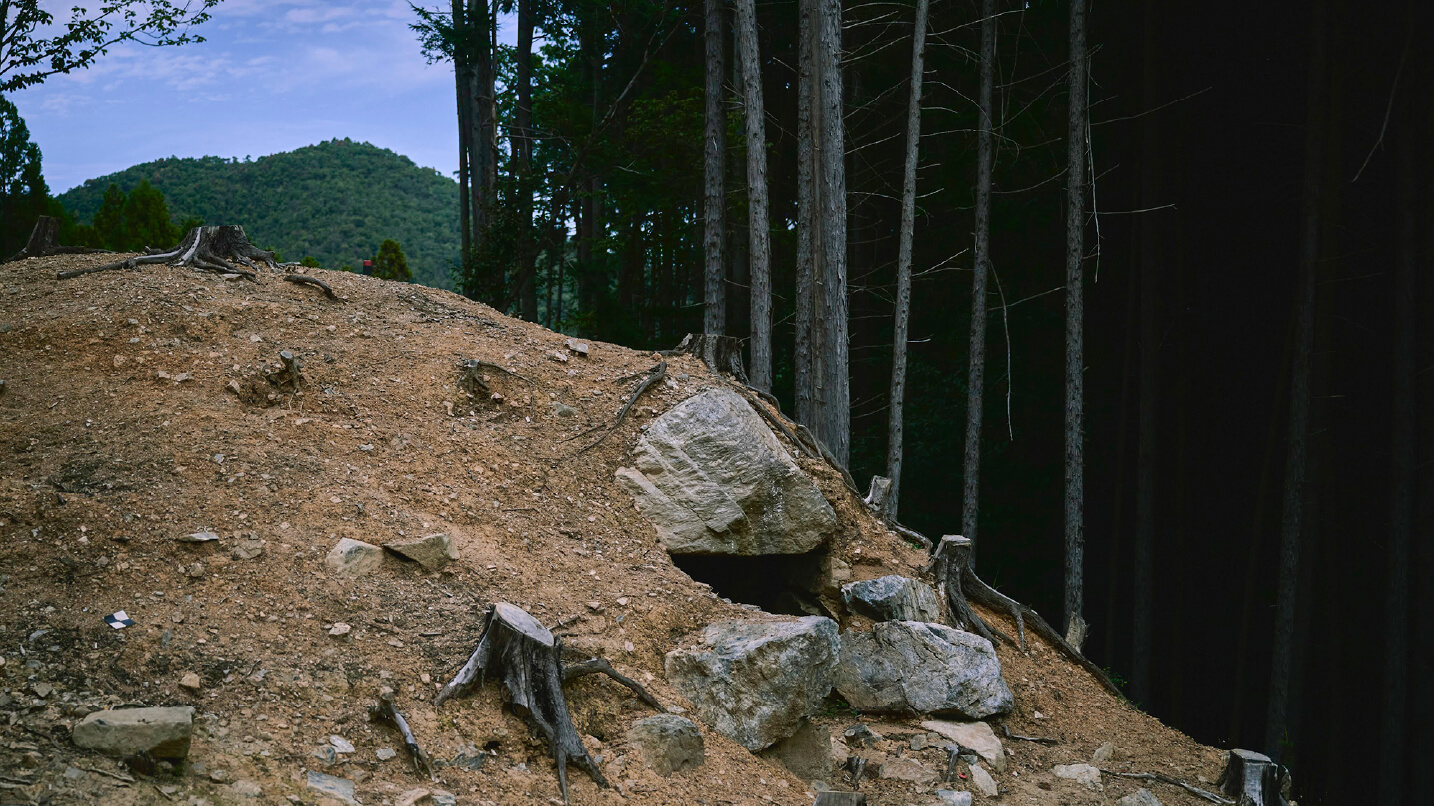
Prior to the introduction of Buddhism, mountain and water deities were revered in this area. In the southwestern part of Kameoka, around Hoki, numerous ancient burial mounds have been unearthed. Traces of a spiritual culture grounded in reverence for nature remain quietly present in the landscape.
この豊かな自然環境は、石工たちの営みも育んできました。丹波石をはじめとする石材が産出され、斎田石材店のある法貴地域でも、かつてはみかげ石の切り出しが行われ、多くの石工が技を磨いてきました。石は単なる資源ではなく、地域の産業と文化を支える基盤でもあったのです。
また、仏教伝来以前には山岳信仰や水神信仰が息づき、とりわけ亀岡南西部の法貴周辺からは多くの古墳が出土しています。自然への畏敬を礎とした精神文化の痕跡が、この地には今も静かに残されています。
-
Crafts 工芸が生まれる
Hoki granite, characterized by its balanced distribution of black mica, possesses a calm and refined quality. After the capital was established in Kyoto, this stone was widely used to shape the city’s sacred and scenic environments―torii gates, stone walls, steps, approach pathways, lanterns in Japanese gardens, and water basins for ritual purification. Sometimes referred to as “rust stone” (sabii-shi), its distinctive patina has also been prized for expressing the aesthetic of wabi-sabi in garden stones and lanterns.
Cultivated within a culture of nature worship, the aesthetic sensibility of Kameoka’s stonemasons enabled them to perceive beauty in the grain and tonality of stone, elevating it into cultural form. Stone is a product of the land, yet it becomes culture through the hands and eyes of those who shape it.
Within this historical and cultural continuum, SAIDA ―established in 1902―has carried forward its craft for more than a century. Among its works are the stone torii gate and multi-tiered pagoda at the entrance to the approach of Myoken Temple, affectionately known as “Myōken-san,” as well as many other structures that have come to symbolize the region.
Inheriting the climate, faith, and spirit of craftsmanship rooted in this land, SAIDA continues to embrace its role: transforming stone, a gift of nature, into enduring cultural form―linking the memory of place to the generations yet to come.
法貴みかげは、黒雲母の斑点が均衡よく混ざり合う、落ち着いた趣をもつ石です。都が京都に置かれて以降、その景観を支える素材として、鳥居、石垣、階段、参道敷石、日本庭園の灯籠や手水鉢など、多岐にわたり用いられてきました。また「錆石」とも称されるその風合いは、庭石や灯籠において「わび・さび」を体現する素材として重用されてきました。
自然信仰の中で培われた石工たちの審美眼は、石の肌理や色合いに美を見出し、それを文化的価値へと昇華させてきました。石は風土の産物であると同時に、人の手と眼によって文化へと変えられてきた存在でもあります。
そうした歴史的背景のもと、1世紀以上にわたり歩みを重ねてきた斎田石材店は、「妙見さん」として親しまれる妙見寺の参道入口に建つ石鳥居や重塔をはじめ、地域を象徴する数多くの仕事を手がけてきました。
この地の風土と信仰、そして石工の精神を受け継ぎながら、斎田石材店はこれからも、自然資源としての石を文化へと昇華させる役割を担い続けていきます。